
Responsibility in transition
Intermediaries advising on family matters, estate planning, asset structuring or similar constellations are increasingly dealing with philanthropic issues as part of their mandates.
In such contexts, it is helpful to be able to classify partner organizations and their institutional structures, working methods and control mechanisms.
The following overview provides partners in the intermediary environment in particular with an insight into key aspects of our organization and our work.
Brief portrait
Mission 21 is an internationally active, non-profit organization based in Basel. It emerged from the Basel Mission founded in 1815 and has more than 200 years of experience in international cooperation and humanitarian aid.
Our work aims to achieve sustainable impact, justice and an improvement in the living conditions of disadvantaged population groups. To this end, we work with our partner organizations to implement initiatives in various regions of the world and contexts with the following priorities:
Mission 21 in figures
- 200+ years of international activity
- 70+ partner organizations
- 60+ projects
- 50+ employees
- 14 countries
- 8 SDGs in focus
Good governance and standards
We have clearly defined supervisory and decision-making structures and are committed to the transparent and responsible use of the funds entrusted to us.
The central elements of our institutional quality assurance include
' Recognized as non-profit and tax-exempt in Switzerland
' External audit of the annual financial statements by PwC
' ZEWO certification for transparency and use of funds
' eduQua certification in the field of adult education
' Anti-corruption and compliance principles (Code of Conduct)
' Ethical policies and guidelines on communication, fair language, climate protection and accepting donations
International presence
We are active with long-term programs and partnerships in selected countries in Africa, Asia and Latin America as well as in Switzerland.
Regional coordination offices ensure continuous coordination of the programmes and enable close cooperation and implementation at local level through locally anchored organizations.
On the map opposite you will find an overview of the countries in which we are currently active.
Impact orientation
We develop our programs in close cooperation with local partners and align them with clearly formulated impact goals.
We carry out regular monitoring and evaluation processes in order to continuously develop the quality and effectiveness of this work. Findings from these are incorporated into strategic planning. Selected programs are also reviewed by external evaluations.
Our approach is based on the following chain of effects (Theory of Change).
Resources
- Funding
- Specialist knowledge
- International networking
Intervention logic
- Strengthening local partners
- Support & competence building
- Dialog and situation-appropriate approaches
Changes
- Increased personal responsibility
- Improved access to resources
- Increased social & political participation
Results
- Functioning local structures
- Improved competencies & processes
- Local programs in key impact areas
Long-term effect
More stable, fairer and accessible social structures, that sustainably improve local life prospects.
Orientation towards the sustainability goals
We align our activities with selected sustainability goals of the United Nations as part of the 2030 Agenda (Sustainable Development Goals).
In particular, our programs contribute to peacebuilding, education, health and food security. These include, among others:

Networks
We are part of various national and international networks in the field of development cooperation and philanthropy.
These collaborations enable professional exchange, common standards and coordinated cooperation with partner organizations worldwide.
The following videos provide insights into our programs and projects in various regions:

Food sovereignty in Latin America
A five-part documentary series about Mission 21's work to promote food sovereignty and sustainable agriculture in the highlands.

The dream of peace in South Sudan
An insight into the work of Mission 21 at the Muhaba Children's Center and into the lives of children who find protection and prospects here.

Against the exploitation of domestic workers in Hong Kong
A contribution to the SRF program mitenand about Mission 21's work on the ground and its commitment to the rights of domestic workers.
Publication
A compact briefing with background information on our work and how it fits into the consulting environment is available to order or download here.
Your contact
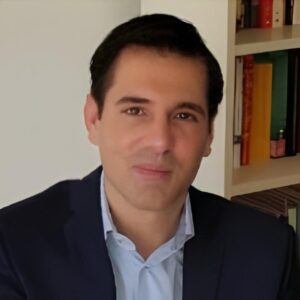
Christian Tohmé
Senior Advisor, Philanthropy
Christian.Tohme@mission-21.org | +41 61 260 23 40
We are at your and your clients' disposal for a discussion or further information. On request, our program managers will also be happy to provide in-depth insights into their work on site.