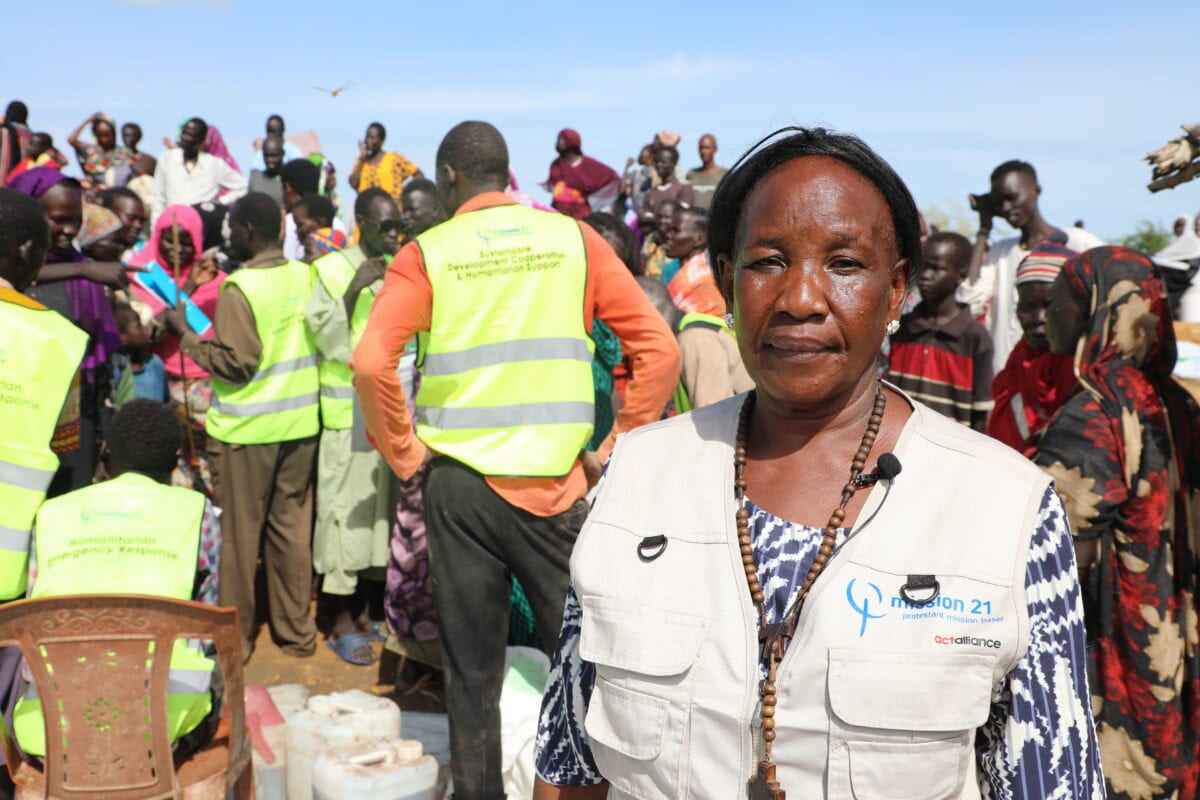
The war in South Sudan is escalating. The hospital in Lankien, where midwives trained by Mission 21 work, has been attacked several times. Countless people are on the run and humanitarian aid is being blocked.
Since the end of 2025, the armed conflict in South Sudan has intensified dramatically, particularly in the states of Jonglei and Upper Nile. State forces (SSPDF) and the opposition SPLA/IO are blocking humanitarian access and ordering large-scale evacuations. This has displaced 280,000 people so far.
The evacuation orders are largely not intended to protect the population. The timing and extent indicate that they follow military logic. For example, indiscriminate air strikes were carried out in Lankien (Jonglei) at the end of December 2025 following evacuation orders. Civilians were killed or injured. Under international humanitarian law, forced displacement without compelling reasons is prohibited and constitutes a war crime.
Obstetricians in danger
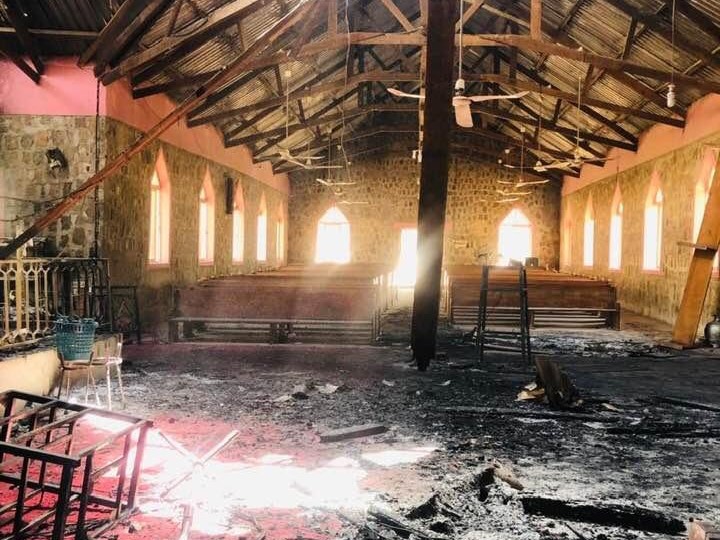
The hospital in Lankien was repeatedly attacked. At least eleven midwives who were able to complete their training thanks to the support of Mission 21 partners. Their efforts are life-saving for women, newborns and an entire region. Now the lives of the professionals are in danger.
I support Mission 21 in South Sudan: donate here
Both parties to the conflict are committing serious abuses that are either deliberately or indiscriminately directed against the civilian population: Killings, sexualized violence, looting and the systematic destruction of civilian infrastructure.
In addition, there are contradictory and sometimes threatening administrative orders from local authorities, which effectively force aid organizations to take sides or stop their work. Flight bans cut off entire areas from supplies.
Dramatic for the civilian population
This dynamic points to a targeted instrumentalization of humanitarian aid. Access to support is not primarily geared towards the needs of the population, but is used as a means of exerting political and military pressure.
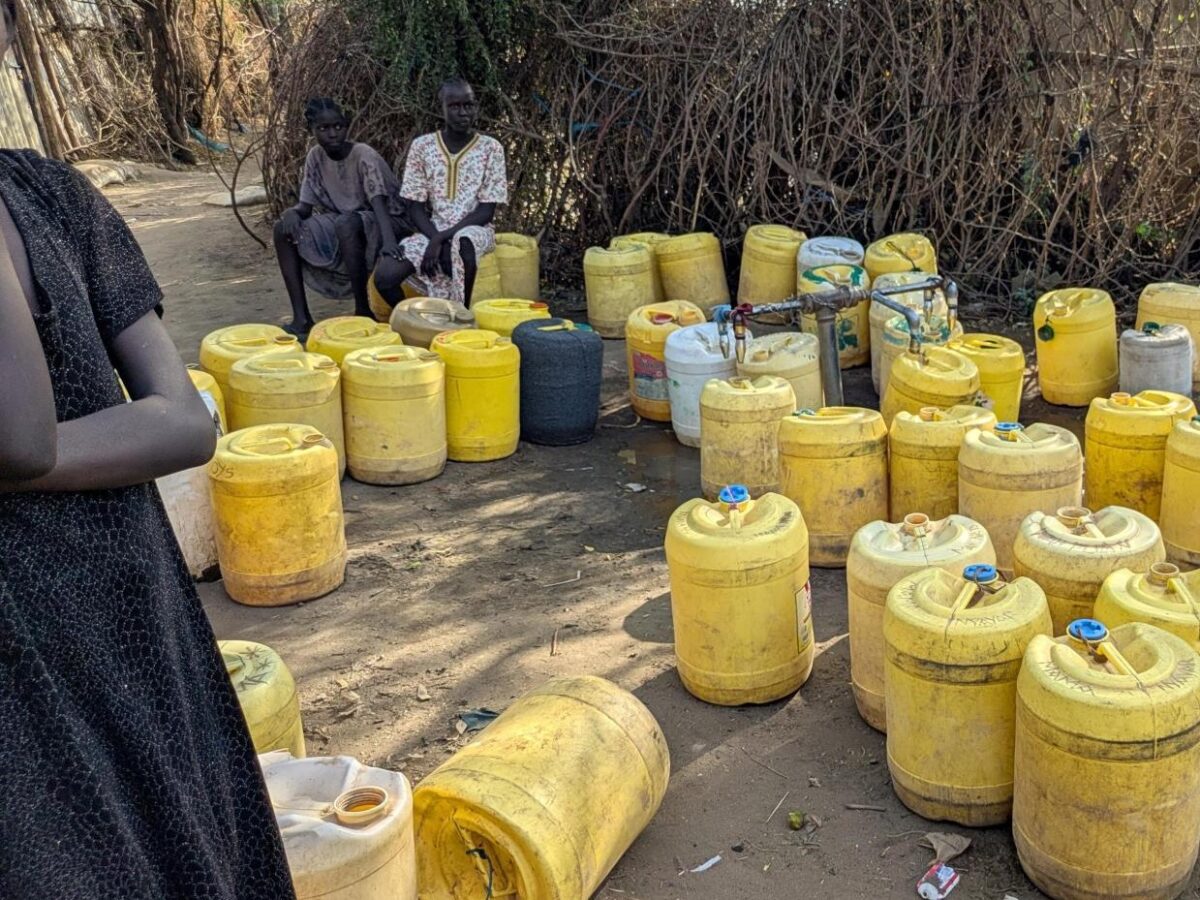
The consequences for the affected civilian population are dramatic: tens of thousands are living in extreme conditions without sufficient food, medical care or protection. There is an acute risk of famine in several regions.
I support Mission 21 in South Sudan: donate here
All parties to the conflict would be obliged to allow humanitarian aid and protect the civilian population regardless of their decision to flee. However, the ongoing violations show a high degree of impunity and a progressive erosion of basic protection mechanisms.
Mission 21 is also committed to the long term
For Mission 21, the situation underlines the need to closely interlink humanitarian aid, human rights work and peace policy advocacy. The threat to facilities such as the hospital in Lankien makes it clear that education and health work has a long-term impact, but is massively at risk without political protection and humanitarian access. In addition to supporting local partners, increased international pressure is needed to effectively protect civilians, medical staff and vital infrastructure.
We are in close contact with our coordination office in Juba and our partners on the ground. Mission 21 is committed to protecting the civilian population, medical staff and vital infrastructure at all levels.