With Julio César Mejía Tapia, lawyer, activist and researcher from Peru
and María Ximena González-Serrano, lawyer, activist and researcher from Colombia and Switzerland
as well as Soraya Poma Cotrado from the indigenous women's network for the protection of Lake Titicaca.
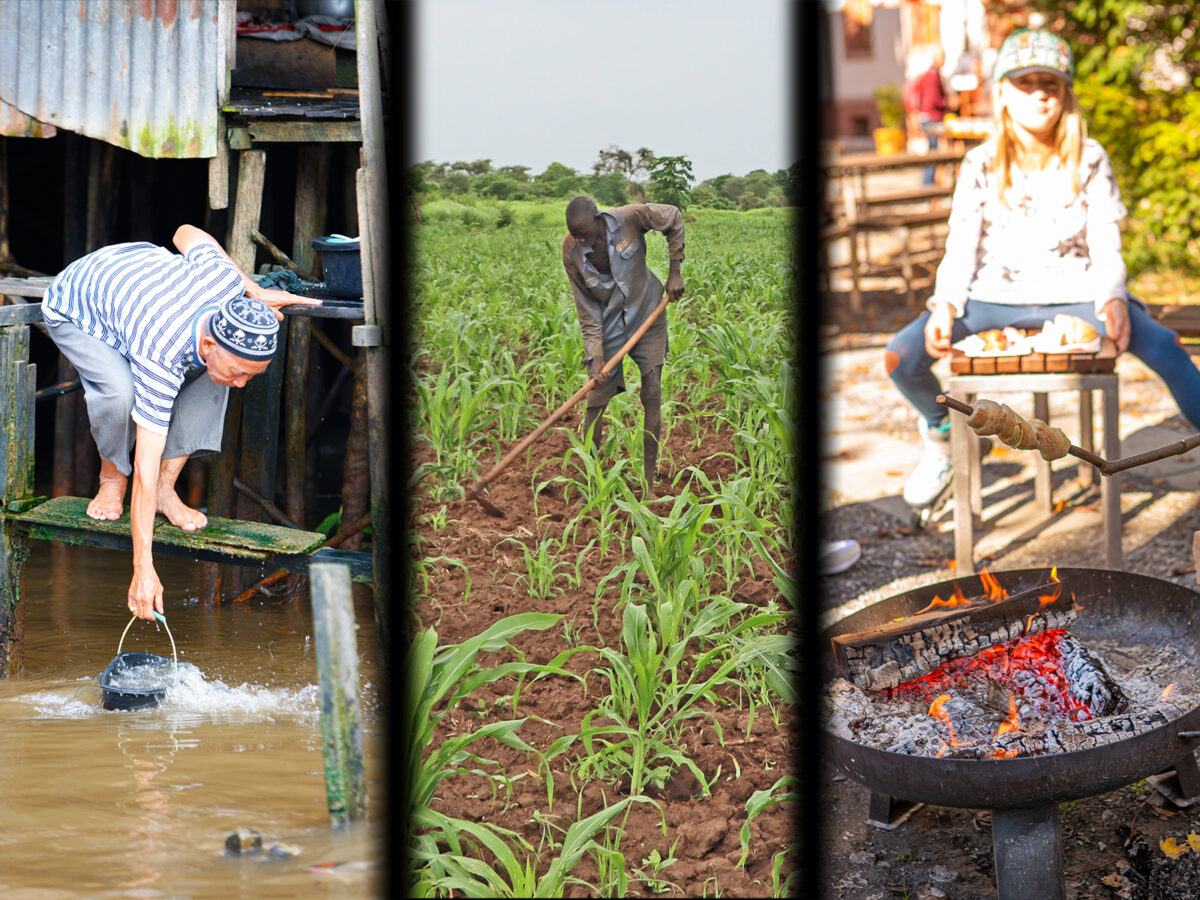
Rivers and lakes are sources of life and are also regarded as cultural foundations. Yet in many places they are threatened by human-induced pollution and overuse.
This webinar focuses on Lake Titicaca in Bolivia and Peru. For the Indigenous communities who live in and with it, the lake is a living and spiritual organism. They respectfully call it “Mamacota” – “Mother Water.” Its catchment area, with numerous rivers, is almost the size of Switzerland and has been an important cultural and habitat in the Andes for thousands of years.
Today, however, this unique ecosystem is under threat: from environmental pollution, mining waste, untreated wastewater and the impacts of climate change. Many people in the region are committed to protecting the lake—especially Indigenous women, who play a central role in local initiatives to defend water. This webinar highlights their engagement, creates space for a deeper understanding of water, and showcases the work of Mission 21 and its partner organizations in the region.
The webinar will begin with Soraya Poma Cotrado as a representative of the indigenous women's network for the protection of water and Lake Titicaca. Following on from this, Julio Cesar Mejía Tapia will provide insights into the legal and social challenges of protecting water resources around Lake Titicaca. María Ximena González-Serrano then places the example of Lake Titicaca in a global context.
Soraya Poma Cotrado is President of the Women's Network for the Protection of Lake Titicaca, which helped to draft the regional regulation for the protection of the lake as a legal entity and presented it to the local council. She is also vice-governor of the municipality of Tutacani Santa Lucia in the district of Juli, province of Chucuito in the Puno region of Peru.

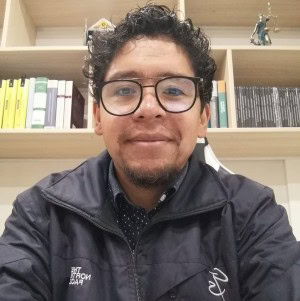
Julio César Mejía Tapia is legal advisor to the indigenous women's network for the protection of water and Lake Titicaca. He is also director of the Institute for Law, Social Participation and the Environment (IDEPAM) within the „Eco Legistas“ network and the „Pasión Constitucional“ initiative. He has experience in strategic litigation in constitutional, environmental and administrative law and has worked with indigenous and peasant communities in different regions of Peru.
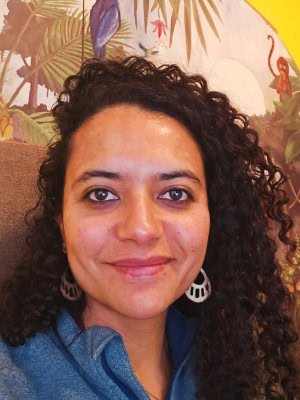
María Ximena González-Serrano is a Colombian lawyer, activist and researcher in social law based in Switzerland. For more than fifteen years, she has worked with local communities on collective strategies to defend territories and rivers against extractive economies and the discharge of toxic wastewater.
Moderation: Alexandra Flury-Schölch and Manuel Menrath, Education Team, Mission 21.
Lectures and discussion in Spanish and English, translation into German.