
Dorina Waldmeyer
Program Officer South Sudan
Tel: +41 (0)61 260 22 58
► E-mail
Project Number: 179.1029
South Sudan, the youngest country in the world, is currently facing a number of serious political, economic and humanitarian crises. Since 2013, the country has suffered from an ongoing civil war that has led to numerous deaths, displacement and a worsening humanitarian emergency. Despite a peace agreement signed in 2018, violence and human rights violations by various armed groups continue.
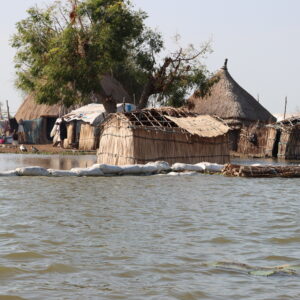
The outbreak of conflict in neighboring Sudan in April 2023 has led to new refugee migration to South Sudan, further exacerbating the existing humanitarian challenges. South Sudan is also one of the countries with the highest inflation rates in the world and more than 7 million people are affected by food insecurity. In addition, the people of South Sudan are struggling with extreme weather conditions. Large parts of the country are affected by floods, which, together with periods of drought, further impair the already fragile food production. More than half of the population is affected by acute hunger and many people have no access to basic services such as healthcare, clean water or sanitation.
The current security crisis in South Sudan has further exacerbated the humanitarian situation and is leading to an increasing threat to the civilian population. The resurgent conflict, human rights violations and politically charged, targeted attacks on certain population groups have forced many families to flee. The Nuer community is particularly affected. Access to food, clean drinking water and medical care remains inadequate for many people, while the ongoing cholera outbreak is further exacerbating the health crisis. In this critical situation, urgent measures are needed to provide the affected people with vital aid, ensure their safety and promote long-term resilience measures.
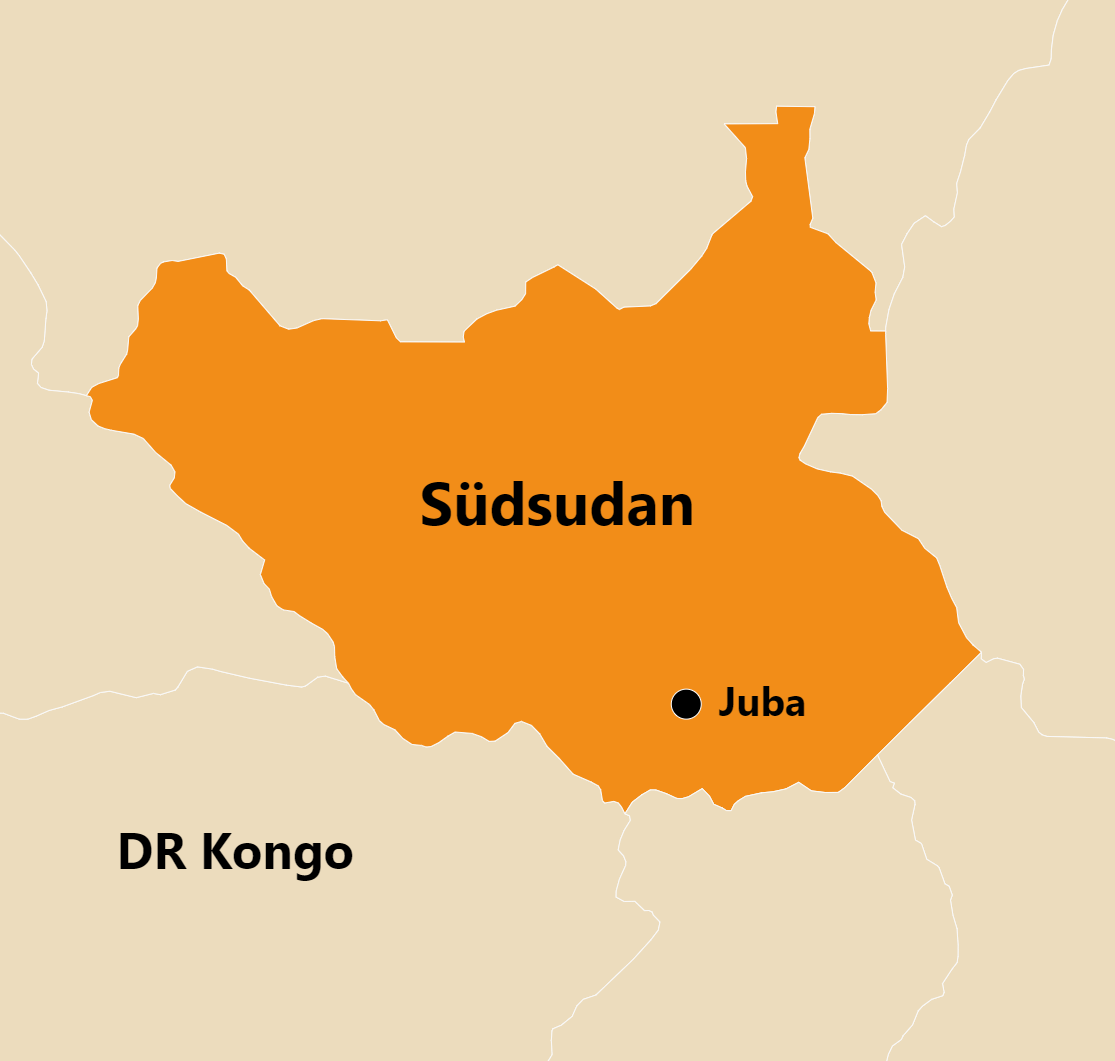
Since the end of March 2025, the coordination office in Juba has been temporarily closed for security reasons. Our office, which is located near the presidential palace - a place where the first military clashes began in 2016 - is monitoring the escalating situation on an hourly basis. This fighting is part of the long-running civil war in South Sudan, which is based on profound political and ethnic tensions. The 2018 peace agreement has been broken several times: On behalf of President Salva Kiir, Ugandan troops are carrying out targeted airstrikes in strategically important regions such as Upper Nile (Nasir, Ulang and Akobo). At the same time, opposition leaders such as Riek Machar and his wife are placed under house arrest and other opposition ministers are imprisoned. Crime has also risen in Juba.
These military actions and repression, an expression of an internal power struggle between forces loyal to the government and opposition groups, have meant that the Upper Nile region is no longer considered safe and conflicts are breaking out in various areas. Insecurity is also on the rise in Juba, particularly because many of our partners from the Nuer community are staying at home, hiding or fleeing to neighboring countries for fear of reprisals.
Despite the tense security situation, our partners are trying to carry out the projects as usual. However, the situation in Muhabba is made even more difficult by the war in Sudan. Even more children have been admitted there and every centime is urgently needed for food and non-food items. In addition, a cholera outbreak, also in Juba, has further exacerbated the already difficult conditions since last year.
The humanitarian situation in South Sudan requires comprehensive measures to ensure the survival of population groups directly affected by disasters and violent conflicts. Thanks to coordinated emergency aid measures, the basic needs of those affected are covered and long-term prospects are created.
People affected by disasters are supported in rebuilding their livelihoods. Through targeted vocational training, refugees are given the opportunity to earn their own living and lead a self-determined life. In addition, traumatized people are offered psychosocial support so that they can come to terms with what they have experienced. Targeted preventive measures reduce the vulnerability of local communities and enable them to respond effectively to crises through organized measures. Dialogues are also initiated to initiate the peace process. These bring conflicting parties together to resolve problems peacefully.
Immediate humanitarian emergency aid:
The aim of these measures is not only to ensure the immediate survival of those affected, but also to strengthen their long-term resilience and independence in order to prepare them for future crises in the best possible way.
Humanitarian aid is aimed at all people who are directly affected by disasters and violent conflicts - regardless of their religious, ethnic or political affiliation.
In 2025, the measures focused on providing rapid, needs-based support to particularly vulnerable households—especially internally displaced persons, returnees, and families affected by acute food insecurity—as well as on stabilizing their livelihoods.
Initially, needs and vulnerabilities were assessed to identify the most affected population groups and to establish a basis for planning relief efforts. These measures were implemented in close coordination with local authorities and community organizations. This coordination was crucial for carrying out the activities safely and in an orderly manner while simultaneously strengthening existing structures.
Supply of food and essential goods:
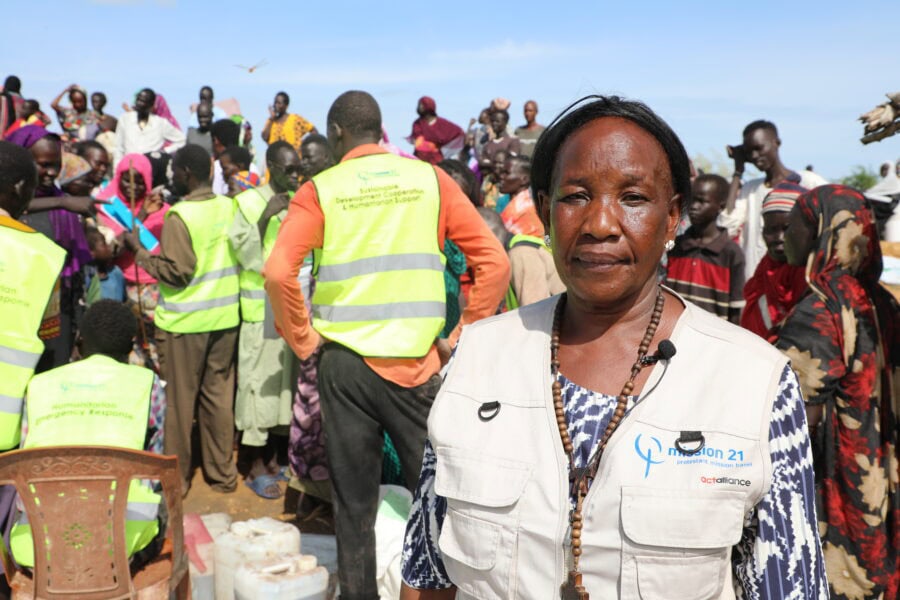
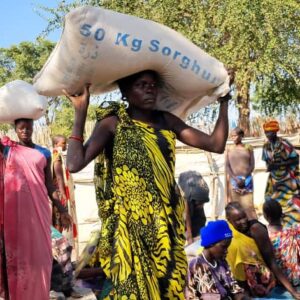
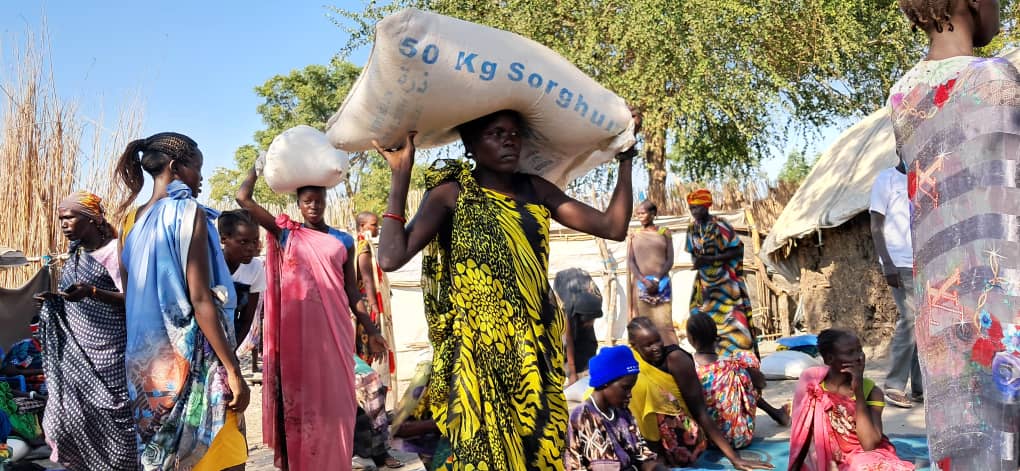
In total, approximately 3,560 households received food and basic supplies to meet their immediate needs. Basic foodstuffs such as corn, beans, cooking oil, and salt were distributed, along with supplementary relief items such as blankets, mosquito nets, and hygiene products. This support stabilized the supply situation for the affected households and alleviated their immediate hardship. However, planned medical care could not be implemented as intended due to administrative hurdles and the need to prioritize immediate emergency aid.
A More Reliable Supply of Drinking Water:
A total of eight boreholes were rehabilitated. This restored access to clean drinking water for approximately 4,000 people. To ensure sustainable use, local water committees were strengthened and involved in the operation and maintenance of the infrastructure.
Support for the resumption of agricultural activities:
Approximately 1,000 households received support in the form of seeds and agricultural tools. The relief supplies provided—including corn, peanut, and okra seeds, as well as tools such as hoes, axes, and rakes—enabled the beneficiaries to resume their agricultural production. This support played a key role in strengthening the project beneficiaries’ self-sufficiency and reducing their dependence on external aid.
The implementation of the measures was systematically reviewed. The distributions were documented, for example through lists and photographic records; and the target groups were surveyed, and their feedback was collected and evaluated. These analytical measures are intended to ensure the quality of the aid and to continuously improve the support provided. This is because the crisis in South Sudan continues, and further support is urgently needed.
Over 900,000 people are affected by the floods
Over 420,000 people had to flee their homes
3 million people are at risk of starvation
CHF 88'000
Mission 21
Protestant Mission Basel
PO Box 270
Missionsstrasse 21
4009 Basel, Switzerland
Tel.: +41 (0)61 260 21 20
info@mission-21.org
Donation account Switzerland:
IBAN: CH58 0900 0000 4072 6233 2
Tax exemption number:
CHE-105.706.527
Donation account Germany:
Savings Bank Lörrach-Rheinfelden
Swift BIC: SKLODE66
BLZ: 683 500 48
IBAN: DE39 6835 0048 0001 0323 33
Account No. : 1032333