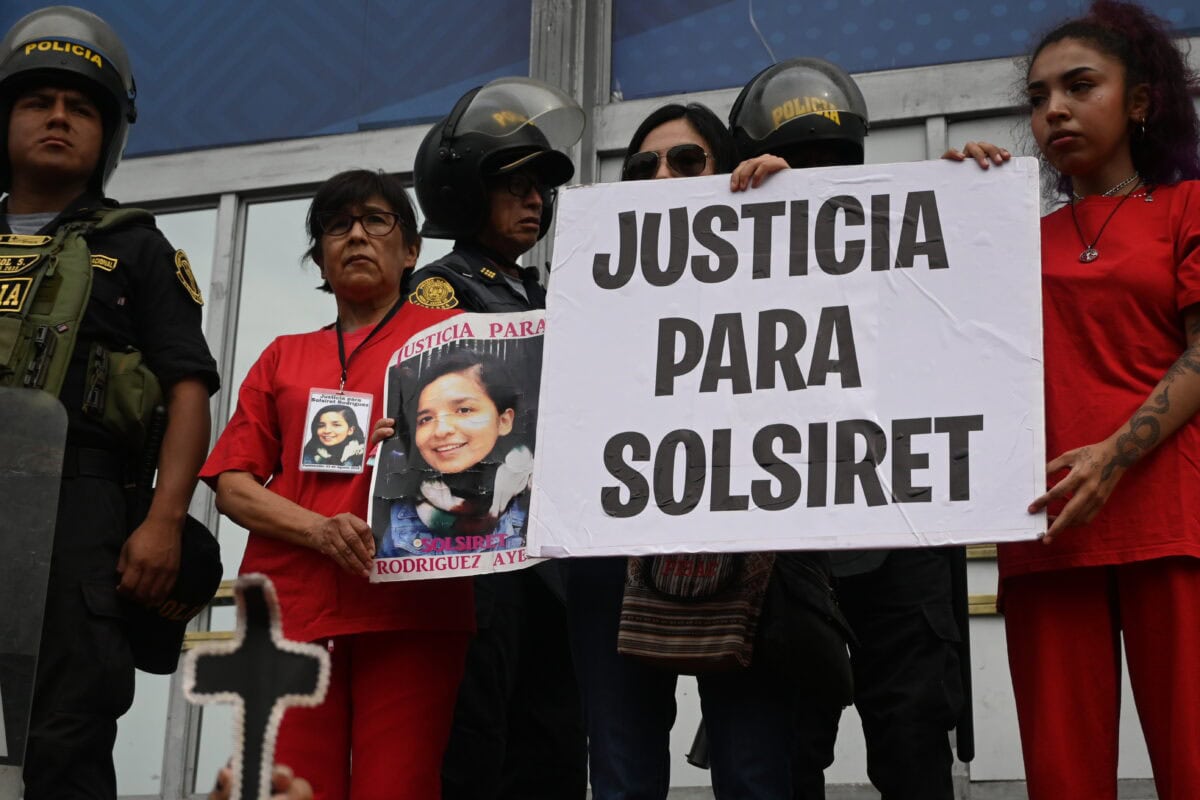
She was a sociology student, an activist, and the mother of two young children. Then, one day, Solsiret Rodríguez disappeared without a trace from Lima. Her case led to a law that continues to shape Peru’s approach to missing women to this day. The latest issue of our magazine «begegnen» tells this and other stories about the fight against gender-based violence.
It wasn’t until three and a half years after her disappearance that the truth came to light: Solsiret Rodríguez had been the victim of a femicide. The case led to a new law governing how cases of missing women are handled in Peru, which is still commonly referred to as the «Solsiret Law» in many places. Solsiret Rodríguez’s parents played an important role in this effort—together with the feminist organization ‘Centro de la Mujer Peruana Flora Tristán,« which is supported by Mission 21, they fought for legal reform.
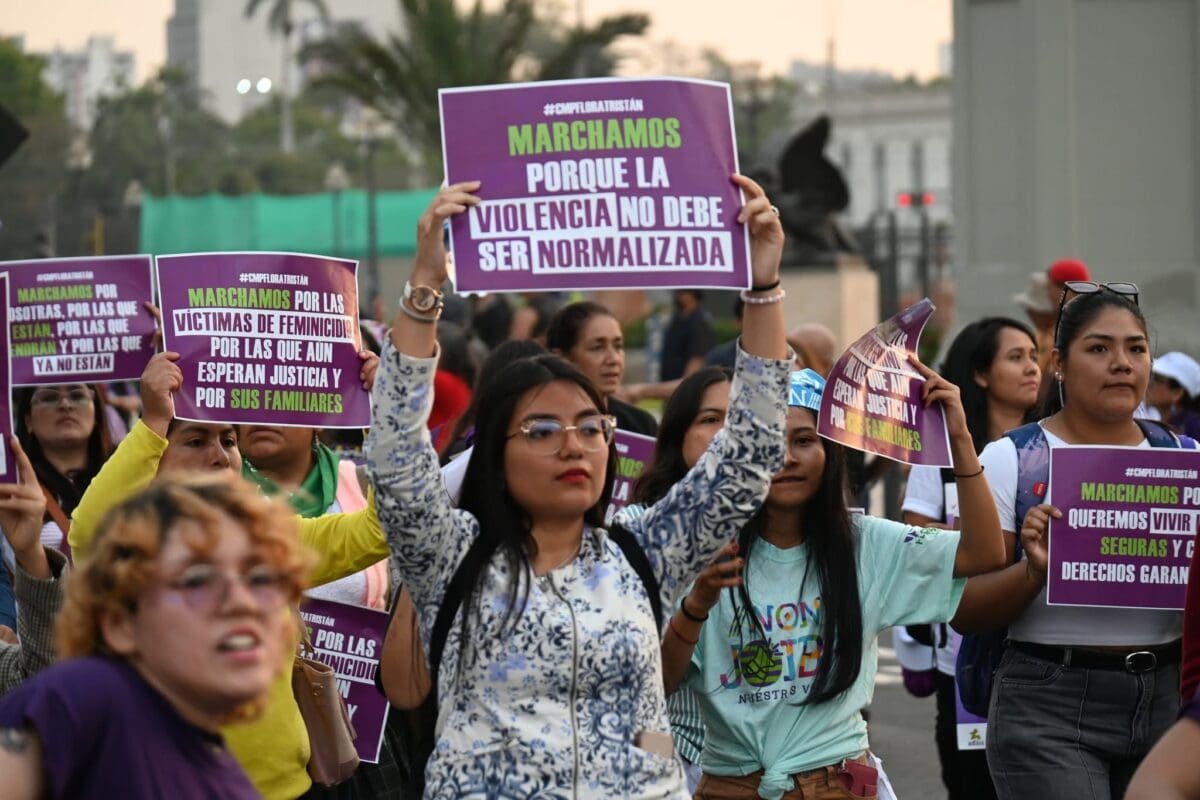
For Raysa Díaz Romero, who works at the «Centro de la Mujer Peruana Flora Tristán» in Lima, the case illustrates how deeply gender-based violence is entrenched in Peru’s social structures and how much perseverance is needed to bring about change. Mission 21’s partner organization has been fighting for women’s rights for 47 years, despite growing political opposition: sex education has been eliminated from Peru’s schools, and a new draft law even seeks to abolish femicide as an aggravating circumstance.
This case is part of the special feature in the current issue of the magazine «begegnen» (No. 3, September 2026). Under the title «Together Against Violence,» the issue highlights projects in Peru, Bolivia, and Indonesia that work to combat gender-based and sexual violence.
The complete magazine is available here, to learn more about the campaign, please visit here.