
Jacqueline Brunner
Team leader church partnerships
Tel. 061 260 23 37
► E-mail

Project Number: 162.1007
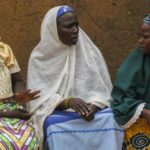
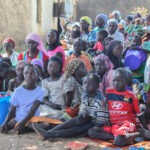
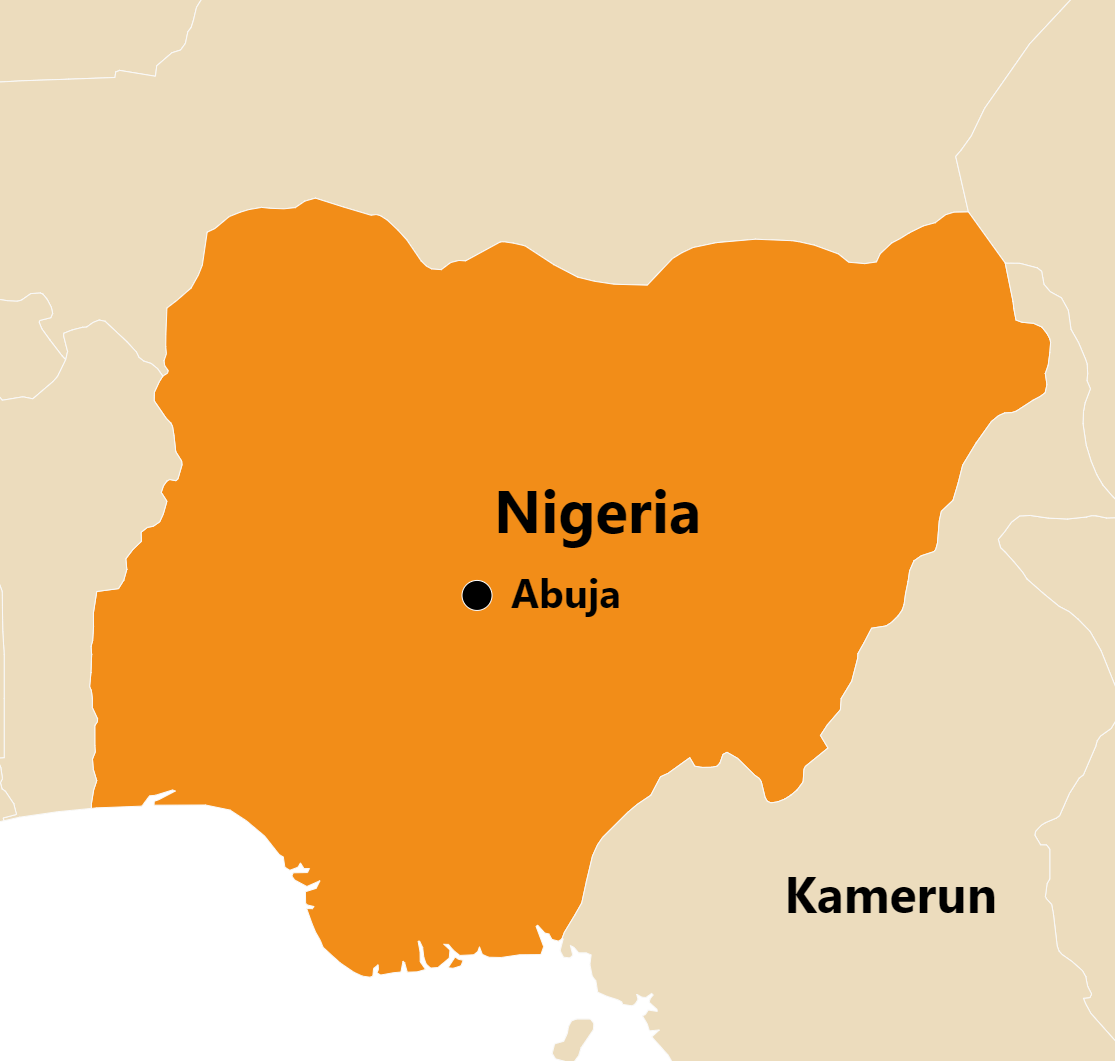
Peacebuilding in Nigeria is more necessary than ever. The terror of the Islamist group Boko Haram in the north-east and violent conflicts between different religious groups in central Nigeria - a conflict between cattle breeders and farmers fueled by climate change - are causing suffering for millions of people and disrupting the relationship between Christians and Muslims throughout the country. This is why Mission 21 and its partner organizations and churches are promoting peacebuilding: by setting up interfaith dialogue forums, awareness-raising campaigns, psychosocial support for those affected by violence and peacebuilding training.
This project was part of the 2025 campaign, „Standing Up for a Peaceful Society,“ which highlighted Mission 21’s peacebuilding efforts. The current 2026 campaign is dedicated to the topic of „Together Against Violence“ and the efforts of our partner churches and organizations to combat gender-based violence.
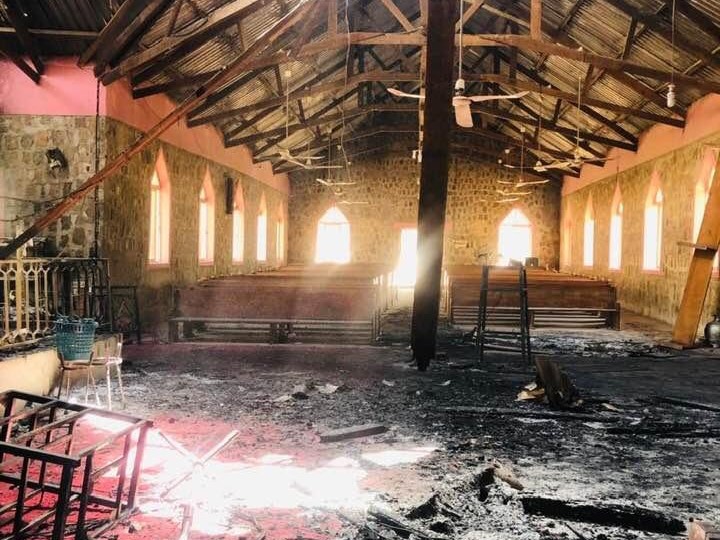
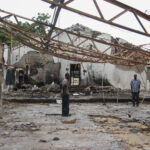
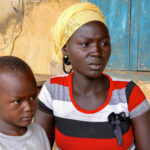
Since 2009, the Islamist terrorist organization Boko Haram has been terrorizing northeastern Nigeria with violent attacks, kidnappings and bombings. In addition, violent clashes between Fulani militants and sedentary farmers in central Nigeria, which have been going on since the 1990s, continue to flare up. These two sources of conflict have had a massive impact on the relationship between Christians and Muslims throughout the country. In the course of the conflicts, many people have lost friends and family members or even experienced violence themselves and are traumatized. The anger over what has happened, the insecurity and the mistrust among the population toward other ethnic and religious groups are correspondingly great. The situation is further exacerbated by the poor economic situation and political power struggles in the country. Under these challenging circumstances, Mission 21 and its partners promote dialogue between people of different religious and ethnic backgrounds in order to facilitate peaceful coexistence. It also trains the population in conflict prevention and non-violent conflict management. It supports conflict-affected and traumatized people, especially young people and widowed women, by providing vocational training in religiously and ethnically mixed groups and psychosocial support.
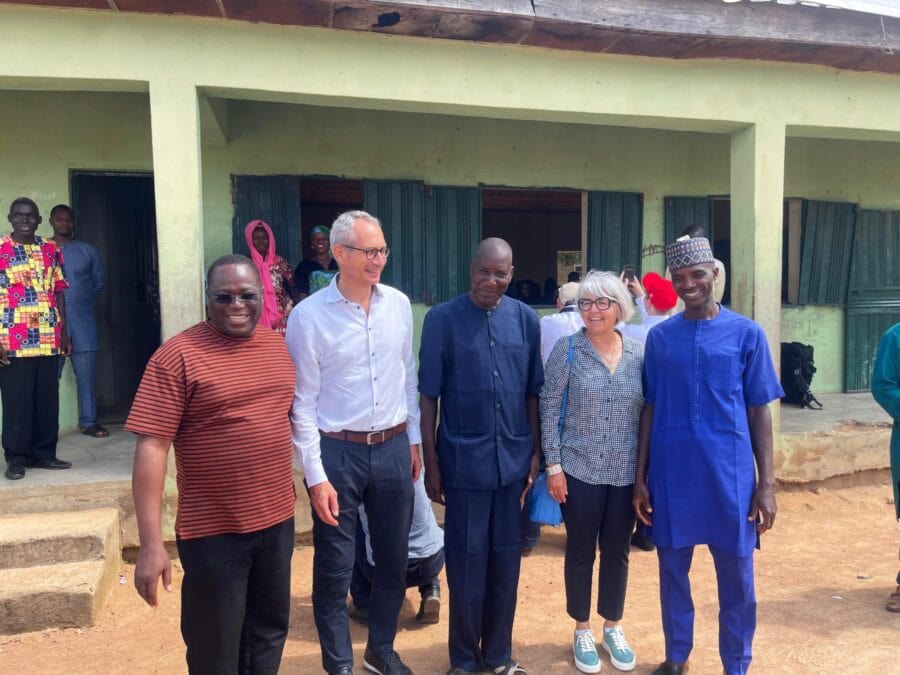
In 2025, seven community and interfaith dialogues took place as planned with LCGI, reaching 600 people. Against the backdrop of growing insecurity and conflicts along religious and ethnic lines, it is all the more important to maintain communication, dispel rumors, and promote peaceful coexistence—including at the level of religious leaders and specific interfaith groups. Women at the grassroots level are considered crucial. Advocacy visits for peace and social justice, community mediation for peaceful coexistence as part of disaster risk reduction (DRR), and awareness-raising measures against gender-based violence (OSGBV) remain part of the program. In addition, tree-planting efforts in the community will continue, both for reforestation and as a community-building measure.
In 2025, the Mission 21 Coordination Office also continued the «Restorative Justice» cooperation project. As part of this project, a workshop on trauma treatment and psychosocial support (MHPSS) was held for 56 facilitators. Advocacy visits to two communities raised awareness of trauma in conflict situations. The issue of individual and collective trauma will remain very important in the foreseeable future.
Mission 21
Protestant Mission Basel
PO Box 270
Missionsstrasse 21
4009 Basel, Switzerland
Tel.: +41 (0)61 260 21 20
info@mission-21.org
Donation account Switzerland:
IBAN: CH58 0900 0000 4072 6233 2
Tax exemption number:
CHE-105.706.527
Donation account Germany:
Savings Bank Lörrach-Rheinfelden
Swift BIC: SKLODE66
BLZ: 683 500 48
IBAN: DE39 6835 0048 0001 0323 33
Account No. : 1032333