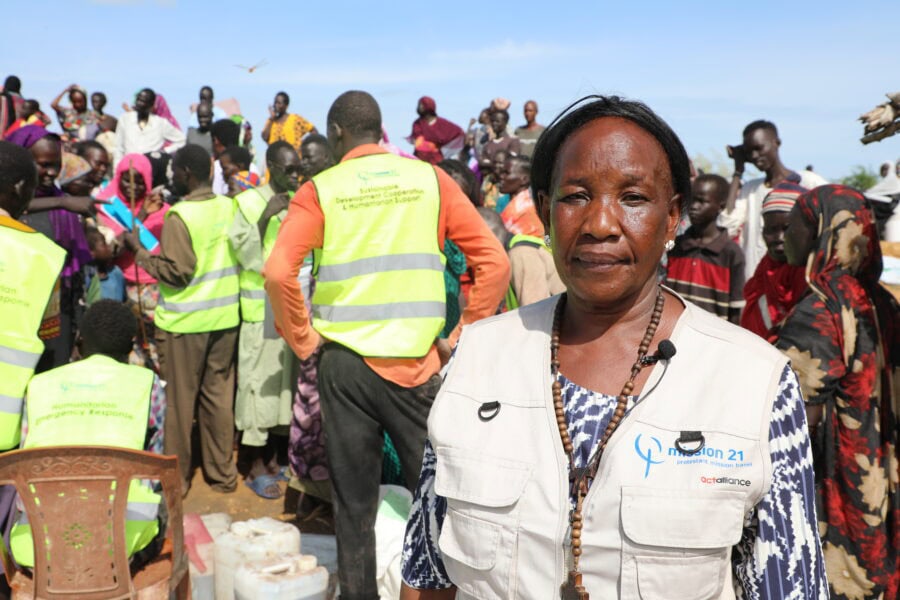

Guliba Florence Hakim
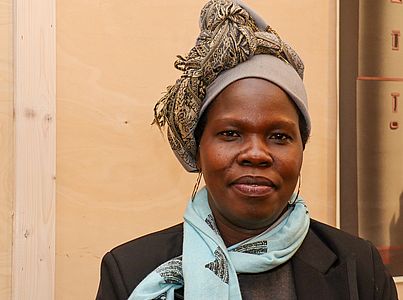
Coordinator South Sudan
► Email
Project Number: 179.1028
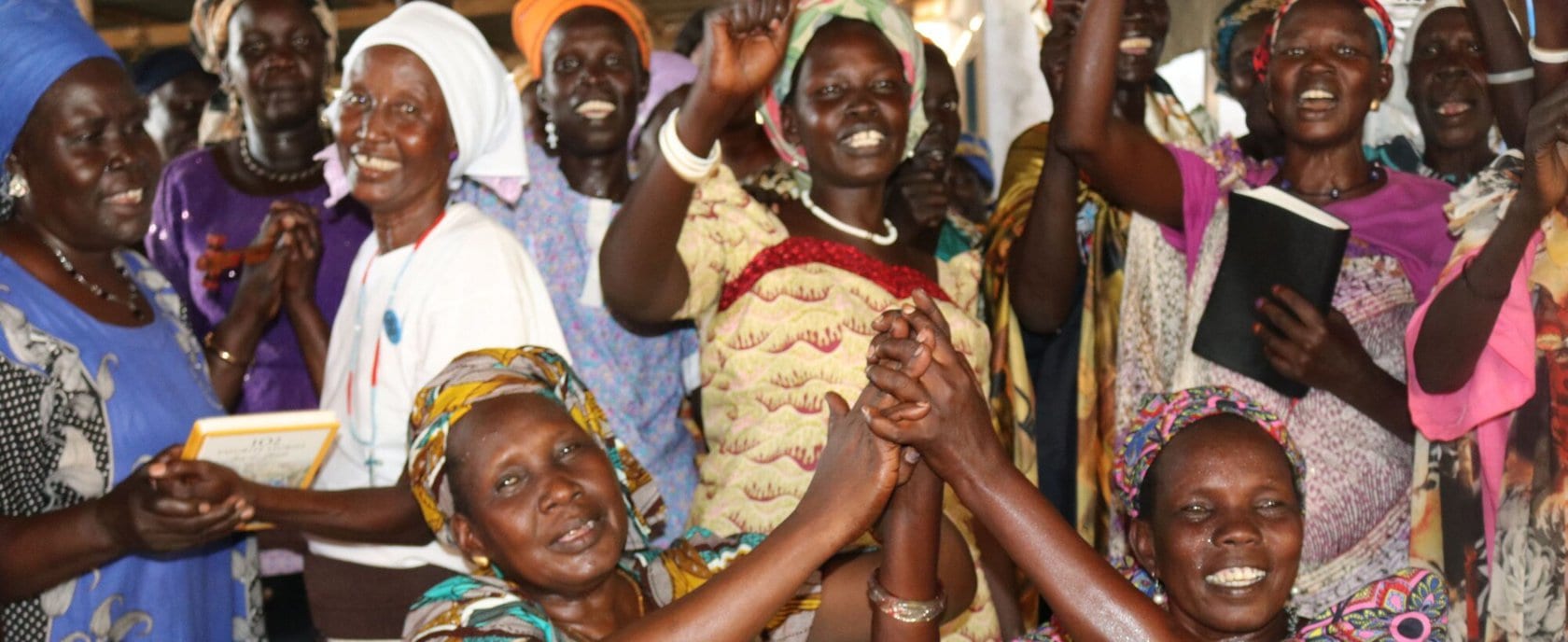
The people of South Sudan have been suffering from civil war, conflicts and violent clashes for almost 70 years. The population suffers in different ways. Men die as soldiers, have to flee, become victims and perpetrators at the same time. Women have a different role in the conflict. They try to keep the family together, provide for them and at the same time earn money for the family and for their children's education. As a result, they suddenly become the head of the family in a country where a woman's voice has long been historically and culturally irrelevant.
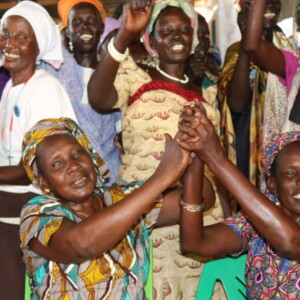
The project therefore focuses on promoting equal rights for women in leadership positions, but also in education and the economy, as well as overcoming violence against women. Through the creation of safe spaces, the targeted development of economic independence through vocational training and training in leadership skills, conflict resolution and psychosocial support, women and girls are empowered to further develop their role as pillars of society.
This project was part of the 2025 campaign, „Standing Up for a Peaceful Society,“ which highlighted Mission 21’s peacebuilding efforts. The current 2026 campaign is dedicated to the topic of „Together Against Violence“ and the efforts of our partner churches and organizations to combat gender-based violence.
South Sudan is predominantly Christian, ethnically diverse and one of the poorest countries in the world. The country has been marked by years of civil war and ongoing humanitarian crises, which have led to profound structural and social problems. Entrenched social norms lead to massive gender inequality and exclusion, particularly with regard to girls' education, their freedom of movement, their limited decision-making power and restricted access to and control over resources. Women's rights and the advancement of girls are often neglected or not prioritized. Young girls in particular are married off before they reach the age of majority, often because the family is dependent on the bride price money. Child marriage and bride price are particularly widespread in rural areas. In addition, estimates suggest that over 80% of women have experienced gender-based violence, including rape, sexual and physical assault (including within marriage), forced and child marriage, and deprivation of education, employment and health opportunities. The socio-economic conditions mean that women and girls are not only marginalized in peace and political processes, but also suffer disproportionately during natural disasters and other crises. The cumulative impact of these multiple crises means that entire communities are constantly exposed to the negative effects. Households headed by women are particularly at risk.
The inclusion of women in decision-making processes at all levels - be it in local organizations or in the government - has so far been underestimated. Peace processes in which women are involved and take on leadership positions are generally more sustainable. This is partly because the process is approached more holistically and not exclusively from a male perspective.
The empowerment of women and girls in all areas. This includes a safe space to exchange ideas, to comfort each other, to build themselves up and to be able to talk about and process what they have experienced. Furthermore, we support them in building up an economic income and in their desire for education.
Marginalized Women and Girls in South Sudan.
Peace of Her Mind Center
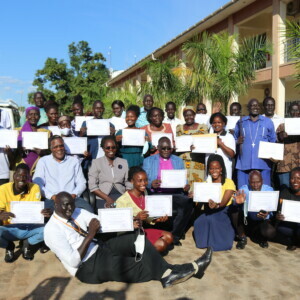
In 2025, the Peace of Her Mind Center project continued to make an important contribution to the prevention and support of victims of sexual and gender-based violence and to the economic empowerment of women. Specifically, 21 women completed courses in the production of washable and reusable menstrual pads at the center. In addition, group sessions and counseling sessions were held for a total of 135 women there. The focus was on trauma processing, psychosocial support, support for victims of gender-based and sexualized violence and dealing with grief.
Neema Sisters
Access to reusable sanitary pads can help girls to attend school more regularly, even during menstruation. At the same time, training, production and distribution create income opportunities and skills, while reuse reduces waste and thus environmental impact; affordability remains a key challenge that can be improved through income-generating models and partnerships. In 2025, the design was aligned even more closely with the needs of users. sustainable materials are increasingly being used and product quality has been improved. Complementary awareness-raising activities at community level and community savings models such as table banking enabled women to build up financial reserves, increased their awareness of social and environmental issues and promoted their economic independence.
Women Work Department (WWD)
The project in South Sudan specifically empowers women through economic development and awareness-raising against gender-based violence. Central measures in 2025 were the establishment of a restaurant, a tea store and a tailor shop as income-generating activities, training in entrepreneurship for women and a workshop to reflect on problematic cultural norms. This combination promoted income and self-confidence and contributed to the protection against violence and the sustainable empowerment of women.
South Sudan Council of Churches - Economic Empowerment (SSCC-EE)
In the SSCC-EE project, progress was made in the economic empowerment of women and the prevention of gender-based and sexualized violence. A total of 54 women took part in training courses on running small businesses, and five of them also received seed capital to set up their own business. In addition, awareness-raising activities were held for women and men in Juba and Torit to reflect on the cultural causes of violence and develop concrete prevention approaches for families and communities. As part of the „16 Days against Violence“ campaign, a commemorative event and church awareness-raising work took place. Greater involvement of men is crucial for sustainable prevention of violence and working towards gender equality. Raising awareness in churches is particularly effective when it is linked to biblical or theological references.
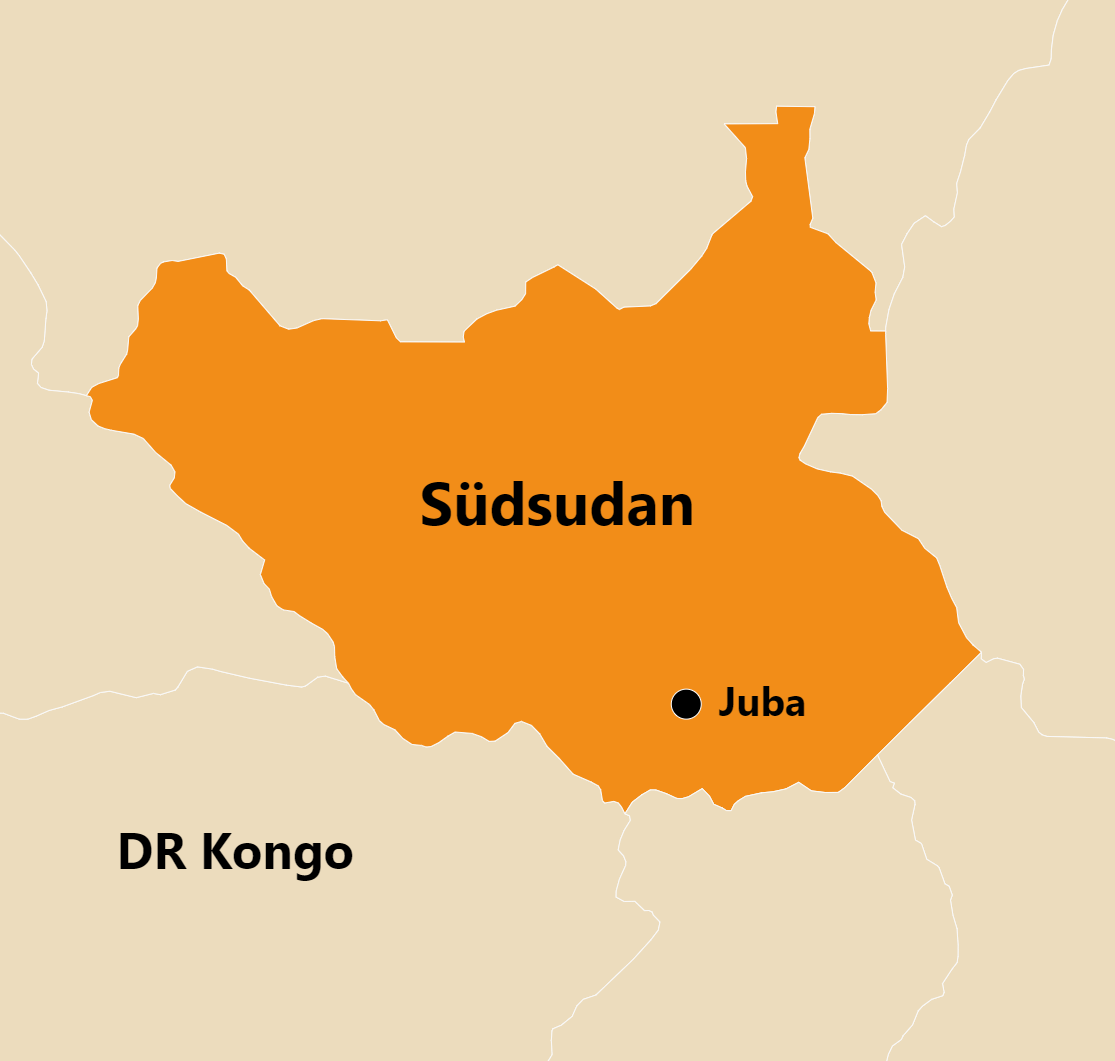
11 million inhabitants
63.6% of the population is under 24 years old
52% of women in South Sudan were forcibly married before their 18th birthday
CHF 158'000
Mission 21
Protestant Mission Basel
PO Box 270
Missionsstrasse 21
4009 Basel, Switzerland
Tel.: +41 (0)61 260 21 20
info@mission-21.org
Donation account Switzerland:
IBAN: CH58 0900 0000 4072 6233 2
Tax exemption number:
CHE-105.706.527
Donation account Germany:
Savings Bank Lörrach-Rheinfelden
Swift BIC: SKLODE66
BLZ: 683 500 48
IBAN: DE39 6835 0048 0001 0323 33
Account No. : 1032333